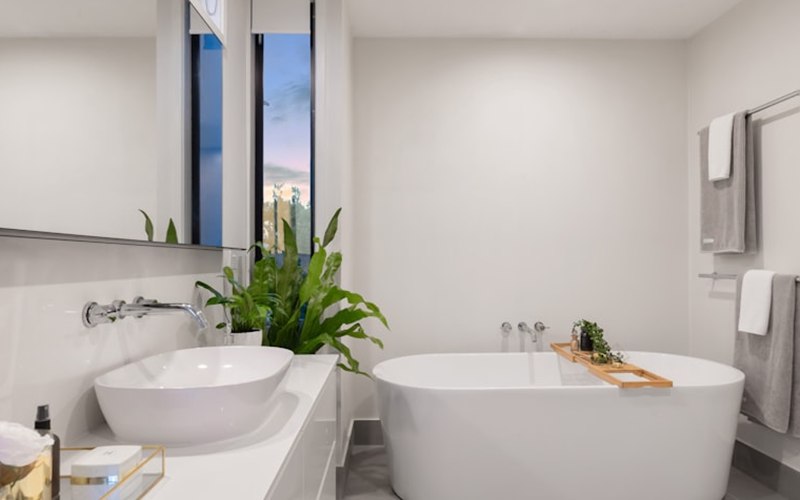
Not many home projects shape your daily rhythm the way a freshly renovated bathroom does. Bathroom remodels reliably sit near the top of the list for both homeowner happiness and money recovered at sale. Whether you're modernizing a tired primary bath or expanding a half bath into a full one, your decisions about planning, materials, and who does the work will decide whether the result is money well spent or a costly regret. Here's how to land on the right side of that line.
The Three Levels of Bathroom Remodeling
Level 1: Cosmetic Refresh ($2,000-$8,000)
A cosmetic update leaves the floor plan and plumbing untouched while freshening the surfaces you see:
- Fresh paint and new light fixtures
- Swapping out faucets, the showerhead, and hardware
- A new mirror and vanity top set on the existing cabinet base
- Re-caulking and re-grouting the tile
- A replacement toilet seat, towel bars, and accessories
Work at this level can completely shift a bathroom's look and mood within a weekend or two while barely disrupting the household.
Level 2: Mid-Range Remodel ($15,000-$35,000)
A mid-range project swaps out the major fixtures and finishes but keeps the plumbing roughly where it already sits:
- A new vanity, countertop, and sink
- A new tub or shower, or a tub-to-shower conversion
- A new toilet
- New floor tile and a fresh shower or tub surround
- Upgraded electrical and a proper exhaust fan
- New drywall, paint, and trim
Level 3: Full Gut Renovation ($35,000-$75,000+)
A gut job takes the room down to the framing and rebuilds it from there, opening the door to a new layout, relocated plumbing, and high-end touches:
- Total demolition followed by a rebuild
- Repositioned plumbing and electrical
- Custom tile work such as heated floors and large-format tiles
- A walk-in shower behind a frameless glass enclosure
- A freestanding soaking tub
- Custom cabinets and a double vanity
- Premium fixtures and smart extras like digital shower controls and towel warmers
How the Spending Breaks Out
Seeing where the money goes makes it easier to decide what deserves your dollars and what can wait:
- Labor (40-50%): Plumbing, electrical, tile setting, and general contracting account for the biggest share
- Fixtures & fittings (15-20%): The tub, shower, toilet, vanity, and faucets
- Tile & surfaces (10-15%): Floor tile, wall tile, and countertops
- Cabinetry (8-12%): The vanity and any extra storage
- Everything else (10-15%): Permits, design fees, surprises, and your contingency
Budget Tip: Keep 15-20% in Reserve
Set aside 15 to 20 percent of your overall budget for the unexpected. Once walls and floors come open, bathroom projects routinely turn up hidden trouble like water damage, mold, or aging plumbing. A reserve fund keeps those surprises from blowing up the whole budget and stalling your project.
The Choices That Move Your Budget Most
Tub, Shower, or Both
Walk-in showers are clearly in fashion, and plenty of homeowners are pulling tubs to make room for bigger, easier-to-enter shower areas. Even so, real estate pros advise holding on to at least one tub somewhere in the house, ideally the main hallway bath, because buyers with small kids count on having one.
Picking Tile
Tile is where bathroom budgets can balloon. Ceramic ($2-$8/sq ft) is the affordable all-rounder. Porcelain ($3-$15/sq ft) holds up better and resists water more effectively. Natural stone ($5-$30/sq ft) feels luxe but needs sealing and extra upkeep. Your chosen pattern and layout, such as a stacked subway, herringbone, or large-format look, will nudge labor costs too.
Vanity and Storage
Off-the-shelf vanities from the big-box stores ($200-$800) cost the least. Semi-custom pieces ($800-$2,500) widen your choice of sizes and finishes. Fully custom builds ($2,500-$8,000+) let you wring use out of every inch and dial in exactly the look you're after.
What It Returns at Sale
Bathroom remodels turn in dependable returns:
- Mid-range bathroom remodel: 60-70% recovered at resale
- Upscale bathroom remodel: 55-65% recovered at resale
The payoff goes beyond the raw percentages. A refreshed bathroom can shorten how long a home sits on the market and may tip a buyer toward your house over an otherwise similar one.
Picking the Right Contractor
- Collect three to five itemized written bids. Loose estimates invite cost overruns. Each bid should spell out materials, labor, schedule, and allowances.
- Confirm their credentials. Check licensing, insurance, and any trade-specific certifications for tile setters and plumbers.
- Review past work. A solid contractor can show you completed bathrooms similar in scale to what you have in mind.
- Know the payment plan. Don't hand over more than 10 to 15 percent up front, and tie later payments to finished milestones.
- Put it all on paper. The contract should name materials by brand and model, set start and finish dates, lay out how change orders work, and state the warranty.
How Long It Takes
Honest timelines keep expectations grounded and stress in check:
- Cosmetic refresh: 1-2 weeks
- Mid-range remodel: 3-6 weeks
- Full gut renovation: 6-12 weeks
Tack on a week or two for snags and slowdowns. If this is your only bathroom, arrange a backup option while the work is underway.
A bathroom remodel that works strikes a balance between looks and function, and between cost and quality. Put your money into waterproofing and careful installation, because those out-of-sight details decide whether your stunning new bathroom still looks great decades from now.