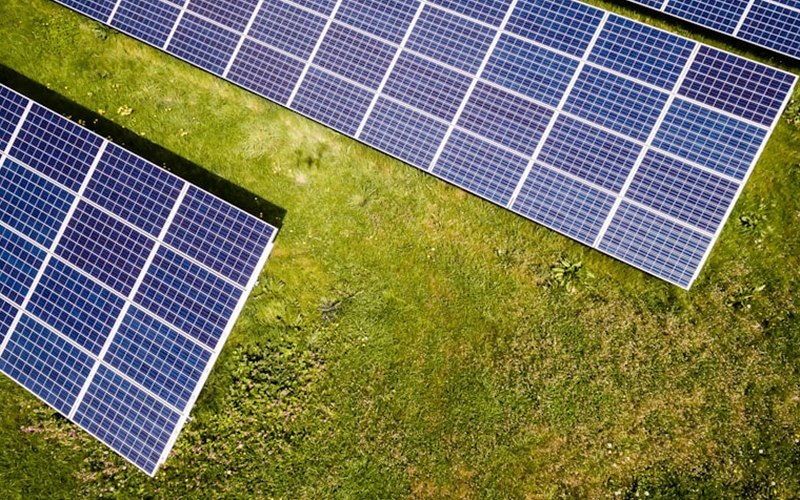
Not long ago, rooftop panels were the kind of thing neighbors stopped to gawk at. These days they're a routine money decision. What once felt experimental has settled into the mainstream of home improvement. The price of panels has fallen by more than 70% over the past ten years, the federal incentive is still substantial, and plenty of owners now break even within 6 to 10 years. Even so, solar doesn't suit every roof or every budget. This guide lays out the plain facts so your decision rests on more than a sales pitch.
How Rooftop Solar Actually Works
Photovoltaic panels -- PV panels for short -- turn sunlight into direct-current (DC) electricity. An inverter then translates that DC into the alternating current (AC) your appliances run on. On days when your panels generate more than the house consumes, the surplus feeds back onto the grid and your utility credits your account, an arrangement known as net metering.
The vast majority of home setups are "grid-tied," staying linked to the utility so you keep the lights on after dark and under heavy clouds. Adding battery storage lets you bank surplus power for later, though it raises the overall price considerably.
Running the Numbers on Solar
What Will a System Set You Back?
In 2026, a typical home installation lands around $2.50 to $3.50 per watt before any incentives kick in. Take a common 8kW system, enough to cover most of a household's usage:
- Sticker price: $20,000 to $28,000
- Federal tax credit (30%): minus $6,000 to $8,400
- State and local incentives (varies): minus $1,000 to $5,000
- What you actually pay: $8,000 to $18,000
Monthly Savings and Breaking Even
How much you pocket comes down to local power rates, how much sun your roof catches, and the size of the array. In pricey-electricity states such as California, Massachusetts, and New York, owners frequently trim $150 to $250 off the monthly bill. Where rates run lower, figure $80 to $120. Most arrays cover their own cost in 6 to 12 years, and from then on the power is basically free for the remaining 15 to 20 years of service life.
Find Out What Solar Costs at Your Address
Receive a tailored solar quote built around your roof, your region, and how much power you use. Zero obligation.
See Your Solar QuoteFederal and State Sweeteners
Through the federal Investment Tax Credit (ITC), you can knock 30% of your installation cost off your federal tax bill. It covers systems you buy outright as well as financed ones, though leased setups are excluded. That 30% figure holds through 2032 before dropping to 26% in 2033 and 22% in 2034.
A lot of states pile on extras of their own:
- State tax credits that sit on top of the federal one
- Solar Renewable Energy Certificates (SRECs) you can sell off for extra cash
- Property tax exemptions so the added home value doesn't bump up your tax bill
- Sales tax exemptions when you buy the equipment
- Utility rebates from certain power providers
Pay Cash, Borrow, or Lease?
Buying Outright
This route earns the strongest long-haul payoff. The system is fully yours, every tax credit lands in your pocket, and all the savings stay with you. It suits owners who have the cash on hand and intend to stay put for seven years or longer.
Solar Loan
A loan lets you put the panels up with little or nothing down. Ownership and the tax credits still belong to you, and because the monthly payment often comes in under your old power bill, you start ahead from day one. Rates generally fall somewhere between 3 and 7%.
Solar Lease or PPA
Here the panels belong to an outside company that handles installation and upkeep. You either pay a set monthly lease or a per-kilowatt-hour rate (a PPA) that undercuts utility pricing. The trade-offs: no tax credit for you, far thinner long-term savings, and added friction if you ever sell the house.
Does Your Home Suit Solar?
- Roof direction: South-facing slopes soak up the most sun. East and west work too, but generate 10 to 20% less.
- Roof condition: A roof due for replacement inside five years should be redone first, or you'll pay to pull panels off later.
- Shade: Big trees, nearby buildings, or anything that blankets your roof in shadow for chunks of the day cuts into production.
- Power bill: The math tends to favor households already spending $100 or more a month on electricity.
- HOA rules: Most states protect solar access, but read your HOA's bylaws before you commit.
Is Battery Storage Worth It?
Home batteries such as the Tesla Powerwall or Enphase IQ hold onto surplus solar power for nighttime use or outages. Tacking one on usually adds $8,000 to $15,000 to the project, and it qualifies for the same 30% federal credit. Batteries pencil out best when your utility uses time-of-use pricing or caps net metering. For the average household on a standard plan with full net metering, the savings alone don't yet justify the cost -- but the outage protection is real.
Selecting an Installer
- Gather three quotes minimum. For an identically sized system, prices can swing 20 to 30% from one company to the next.
- Verify credentials. Seek out NABCEP certification from the North American Board of Certified Energy Practitioners.
- Read the warranties. Quality installers back panels for 25 years, inverters for 10 to 25, and add a separate workmanship guarantee.
- Probe their experience. Ask how many systems they've put in and how long they've been operating.
- Learn the monitoring tools. You should be able to watch your output in real time from an app.
Few home upgrades genuinely repay their own cost the way solar can. The trick is running the numbers honestly against your own roof, your local rates, and your financial plans before you sign anything.
See Whether Solar Adds Up for You
Get matched with certified local installers and pick up tailored quotes for your home. Completely free.
Get Free Solar Quotes