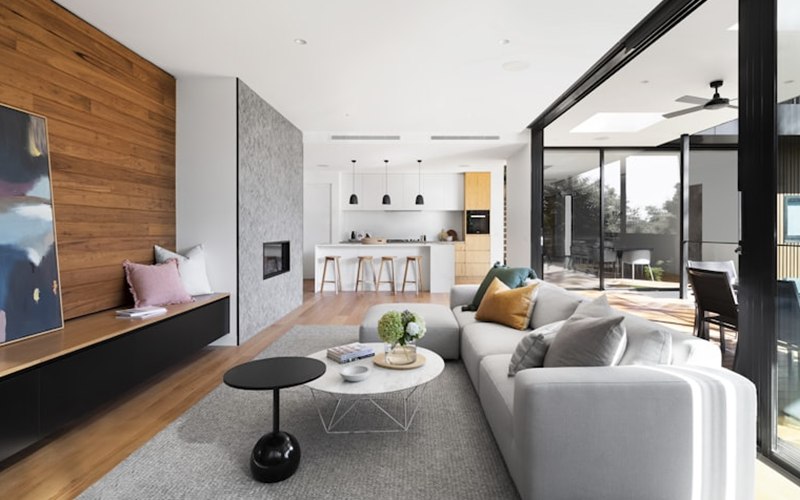
Outdoor living space has climbed to the top of the wish list for American homeowners. Whether you picture quiet morning coffee on a deck, weekend cookouts on a roomy patio, or a fully equipped outdoor kitchen and dining setup, building or improving outdoor space stretches your home's usable square footage and creates a spot that makes everyday life better. The real question isn't whether outdoor space adds value; it's how to pick the right type, materials, and layout to get the most enjoyment and the best return.
Deck or Patio: Knowing the Difference
People sometimes use the words interchangeably, but decks and patios are fundamentally different structures, each with its own strengths:
- Decks are raised wood or composite platforms fastened to the house, usually framed on posts and beams. They suit sloped yards, homes with raised foundations, and any time you want a level surface reaching out from an upper-floor door.
- Patios are ground-level surfaces laid from concrete, pavers, stone, or brick over a compacted base. They're at their best on flat or mildly graded lots and skip the structural engineering an elevated deck requires.
- The price gap: Patios generally come in cheaper than decks of equal size because there are no posts, beams, or railings involved. A basic concrete patio runs $6 to $10 per square foot, while a ground-level deck opens at $15 to $25 per square foot.
- How long they last: A properly built paver or concrete patio can hold up 25 to 50 years on little upkeep, whereas wood decks usually call for serious work or replacement somewhere in the 15-to-25-year window.
How Deck Materials Compare
Pressure-Treated Lumber
Pressure-treated pine is the cheapest decking material and the industry's reliable workhorse. It's easy to find, simple to cut and fasten, and strong enough to carry a structure. Current pressure-treated lumber relies on micronized copper azole (MCA) or alkaline copper quaternary (ACQ) preservatives that hold off rot and insects for 15 to 20 years. The catch is yearly attention: power washing, resealing or restaining every one to three years, and routine checks for warping, splitting, and popped fasteners. Cost: $2 to $5 per linear foot for boards; $15 to $25 per square foot installed for the finished deck.
Cedar and Redwood
These premium natural species carry oils that fend off insects and decay with no chemical treatment at all. Left alone, cedar and redwood mellow into a handsome silver-gray patina, or you can stain them to keep their original tone. They're softer and lighter than pressure-treated lumber, which feels nicer underfoot but also leaves them more open to scratches and dents. Cost: $5 to $10 per linear foot; $25 to $40 per square foot installed.
Composite Decking
Composite boards (from names like Trex, TimberTech, and Fiberon) blend recycled wood fibers with plastic polymers, usually wrapped in a protective polymer cap. The premium capped lines resist fading, staining, scratching, and mold remarkably well. They never want staining or sealing and keep their looks for decades. The trade-offs are a higher starting price and a feel underfoot that differs from real wood. Some owners also notice composite boards hold more heat than wood in full sun. Cost: $8 to $15 per linear foot; $30 to $60 per square foot installed.
Patio Material Choices
Concrete (Poured)
Poured concrete is the most economical patio route and can be dressed up with stamped patterns, acid staining, or exposed aggregate finishes that lift its look considerably. A stamped concrete patio can do a convincing impression of natural stone, brick, or slate for a fraction of the price. Cost: $6 to $15 per square foot depending on the finish.
Pavers
Concrete or natural stone pavers give you tremendous design freedom and go down over a compacted gravel-and-sand base without mortar. If one gets damaged, you simply swap that piece, which keeps upkeep painless. The interlocking layout spreads weight and rides out freeze-thaw cycles better than poured concrete. Cost: $10 to $25 per square foot for concrete pavers; $15 to $40 for natural stone.
Budget Snapshot (400 sq ft space)
- Basic concrete patio: $2,400 - $4,000
- Stamped concrete patio: $4,800 - $6,000
- Paver patio: $4,000 - $10,000
- Pressure-treated wood deck: $6,000 - $10,000
- Composite deck: $12,000 - $24,000
- Cedar/redwood deck: $10,000 - $16,000
These figures take in materials, labor, and basic railing where it applies. Raised decks, intricate layouts, built-in features, and permits all push the numbers up.
Design Points to Weigh
Thoughtful design calls made early can head off expensive do-overs down the line:
- Pin down how you'll use it. A dining zone needs different dimensions and features than a lounge or play area. Measure your outdoor furniture before you lock in the layout.
- Mind the traffic flow. The route from the house door to the dining area, the grill, and the yard should feel natural and stay clear of obstacles.
- Plan for shade. A gorgeous deck or patio baking in full sun may go unused at peak hours without a pergola, shade sail, or established tree canopy.
- Factor in privacy. Screens, lattice panels, well-placed plantings, or a privacy fence can make the space feel cozier and more comfortable.
- Work in lighting. Post-cap lights, step lights, and string lights stretch the usable hours while adding safety and atmosphere.
- Run power and water if you can. An outdoor outlet, ceiling fan, or hose spigot near the deck boosts how much you can do out there.
Permits and Building Codes
Most towns require a building permit for decks, and plenty require one for patios over a certain size or any that involve electrical or plumbing work. A deck permit typically calls for a site plan, structural drawings, and inspections both during and after the build. Common code points cover minimum footing depth (set below the frost line), railing height (usually 36 inches for homes), baluster spacing (no wider than 4 inches), and load capacity. Your contractor should steer the permit process, but it falls on you as the homeowner to confirm the permits are actually pulled. Unpermitted work can turn into a real headache when you go to sell.
Upkeep by Material
Whatever material you settle on sets your long-term maintenance commitment:
- Pressure-treated wood: Clean yearly, restain every one to three years, and inspect for rot and fastener trouble
- Cedar/redwood: Clean yearly, restain or seal every two to three years (or simply let it weather to gray)
- Composite: Wash with soap and water twice a year. No staining, sealing, or painting needed
- Concrete patio: Clean yearly, and reseal stamped or stained concrete every two to three years
- Pavers: Clean yearly, re-sand the joints every few years, and fix any settling or shifting
What Outdoor Spaces Return
A thoughtfully designed outdoor area typically wins back 65 to 75% of its cost at resale, with stronger returns in warm-weather markets where the space pays off all year. Beyond the dollars, outdoor living consistently ranks among the features buyers prize most. Homes with quality outdoor areas tend to sell quicker and draw more competitive offers than otherwise comparable homes lacking them. The trick to maximizing ROI is scaling the space to the home's overall value: a $50,000 outdoor kitchen won't earn back its cost on a $250,000 house, though it just might on a $750,000 one.
Outdoor living space is more than square footage; it's lifestyle footage. A well-built deck or patio carries your home out into the fresh air, opening up a place for connection, downtime, and everyday enjoyment that adds genuine value to your property.