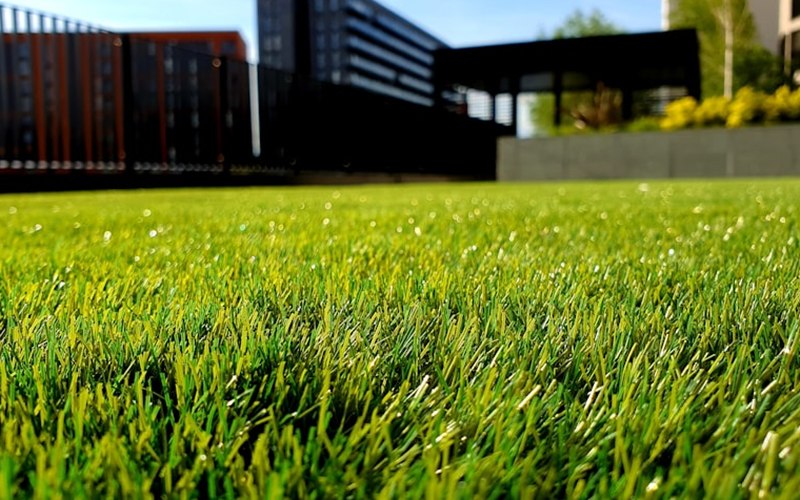
Landscaping stands out as one of the rare home improvements that actually gains value as the years pass. A kitchen remodel begins losing ground the day it's done, but a well-conceived landscape keeps maturing, filling in, and looking better season after season. A range of real estate research points to the same conclusion: good landscaping can raise a home's value by 10 to 15 percent, and in certain markets a beautifully planted property fetches a premium of 20 percent or more over comparable homes with tired yards. The trick lies in knowing which investments return the most and carrying them out with a plan.
Curb Appeal: The First Impression That Pays
Agents will tell you curb appeal is the biggest driver of a buyer's first reaction. People size up a house within about seven seconds of pulling up, and that snap judgment tints everything they notice once they walk inside. The improvements that move the needle most include:
- A healthy lawn that's green, mowed evenly, and clear of weeds and bare spots
- Crisp planting beds with clean edges, fresh mulch, and a layered blend of shrubs, perennials, and groundcovers
- An inviting, easy-to-follow path from the street or drive to the front door, ideally edged with low plants or lighting
- Foundation plantings that ease the line between house and ground without swallowing windows or hiding the facade
- A tidy driveway with no cracks, stains, or weeds pushing through
- Finishing touches such as a sharp mailbox, clear house numbers, and seasonal color from blooms or containers
Trees and What They're Worth
Mature trees rank among the most valuable things growing on any lot. The Council of Tree and Landscape Appraisers has laid out methods for putting a number on individual trees, and one big, healthy shade tree can carry $1,000 to $10,000 in appraised landscape value. Beyond their effect on the appraisal, trees earn their keep in practical ways:
- Lower energy bills: Well-placed shade trees can trim summer cooling costs by 15 to 35 percent by shielding the roof, walls, and AC unit
- Stormwater control: A mature canopy catches rainfall and slows runoff, easing erosion and drainage headaches
- Privacy and quieter surroundings: Evergreens form year-round screens and soften the noise from passing traffic
- A sense of place: Buyers consistently rate tree-lined streets as more appealing neighborhoods
When you plant, choose species matched to your climate zone, soil, and the room they'll need at full size. A frequent error is setting trees too close to the house, foundation, or utility lines. Your local extension office can point you to species that thrive in your area.
Irrigation Systems
An in-ground sprinkler system is both a daily convenience and a value-add that buyers increasingly take for granted, especially where it's dry. A professionally installed setup delivers even watering, curbs waste and overwatering, and keeps the yard looking sharp with little effort on your part. Today's smart controllers (from the likes of Rachio, RainMachine, and Hunter Hydrawise) tune their schedules to live weather, soil moisture, and plant type, cutting water use by 30 to 50 percent against old-fashioned timers.
What Landscaping Costs
- Basic lawn renovation (seeding, fertilizing): $1,000 - $3,000
- Foundation planting overhaul: $2,000 - $6,000
- In-ground irrigation system: $2,500 - $5,000
- Landscape lighting package: $2,000 - $5,000
- Paver walkway or patio: $3,000 - $10,000
- Retaining wall: $3,000 - $15,000
- Full landscape design and installation: $10,000 - $40,000+
For well-planned work, landscaping returns 100 to 150 percent on average, putting it among the highest-yielding improvements you can make to a home.
Designing for Low Maintenance
The move toward low-maintenance yards isn't only about freeing up your weekends; it's about building durable, sustainable landscapes that flourish without heavy doses of water, fertilizer, and labor. The guiding ideas are:
- Right plant, right place. Match plants to your soil, sun exposure, and climate zone. Natives tuned to local conditions need far less extra watering and fuss than imported species.
- Shrink the lawn where it makes sense. Turf is the thirstiest, most labor-hungry part of any yard. Swap underused or awkward grass for mulched beds, groundcovers, or gravel paths.
- Mulch with a generous hand. A 2- to 3-inch layer of organic mulch in your beds smothers weeds, holds soil moisture, evens out soil temperature, and feeds the soil as it breaks down.
- Cluster plants by thirst. Hydrozoning, grouping plants with matching water needs, makes irrigation efficient and keeps you from drowning drought-tolerant plants or starving thirsty ones.
- Favor slow growers. Fast-growing plants demand constant pruning. Moderate growers hold their shape longer and cut down on the work.
Hardscaping That Pulls Its Weight
Hardscaping covers the built, non-living parts of a yard: walkways, patios, retaining walls, fire pits, outdoor kitchens, and water features. These pieces lend structure and year-round interest that don't hinge on the growing season. The hardscape projects that add the most value include:
- A front walkway upgrade: Trading a cracked concrete path for pavers or natural stone lifts curb appeal right away
- Retaining walls: Both useful and good-looking, they tame grading problems and open up terraced beds you can actually plant
- A fire pit or fireplace: Gives the yard a gathering point and stretches outdoor living into the cooler months
- An outdoor kitchen: A premium feature that fits best with homes above the $400K mark, where buyers count on upscale outdoor living
Landscape Lighting
Low-voltage LED lighting reinvents a yard once the sun goes down, letting you enjoy the space, both visually and practically, well into the evening. Placed well, it also boosts security by erasing the dark corners around the house. Aim the light where it counts: path fixtures along walkways, uplights on standout trees and architectural details, wash lights across textured walls or fences, and task lighting near the cooking and dining zones. LED fixtures sip electricity, and the bulbs last 25,000 to 50,000 hours. A professional layout of 15 to 25 fixtures generally runs $2,000 to $5,000 installed.
Doing It Yourself vs. Hiring a Pro
A motivated homeowner can handle plenty of landscaping tasks, while others really do call for a professional:
- Sensible DIY jobs: Mulching, planting annuals and perennials, lawn care, container gardens, and building simple beds
- Worth calling in help: Planting and removing trees, installing irrigation, landscape design, grading and drainage, retaining walls, and big hardscape builds
A landscape designer can draw up a master plan you roll out in stages over a few years, spreading the cost while keeping the end result cohesive. Design fees usually fall between $500 and $3,000 depending on the size and complexity of the property, and that outlay heads off expensive design missteps.
Planning by Season
The ideal planting window shifts with your region and the plant in question. Across most climates, fall is the prime time for trees, shrubs, and perennials, since cool air and autumn rains let roots settle in before winter dormancy. Spring suits warm-season grass, annual flowers, and vegetable beds. In mild areas, hardscape work can happen any time of year, but in places with hard winters, save it for dry stretches. Spacing your improvements across the seasons spreads out the spending and lets you pounce on end-of-season plant sales.
Landscaping is the one home improvement that appreciates with time. A well-designed landscape doesn't just sharpen your curb appeal today; it grows lovelier and more valuable with each passing year.